

13 Reasons to Monitor Resolution in Real Time
September 8, 2025
Why Are Data Logger Transmitters Necessary?
September 8, 2025
Data loggers are electronic devices that record and store data generated over a certain period of time using sensors attached to them, enabling the reporting of these records when necessary.
Temperature data logger
A temperature data logger, also known as a temperature recording device, is a portable measurement device that can independently record temperature over a specific period of time. After digital data is recorded, it can be retrieved, viewed, and evaluated in formats such as PDF and TXT. Temperature data logger devices are widely used to monitor shipments in the cold chain and collect temperature records from various field conditions.
How does a data logger work?
Datalogger devices can be powered by a fixed power supply or by a built-in battery. There are dataloggers that can record continuously, as well as models that are set to record at specific time intervals. In general, datalogger devices perform measurements using the sensors on their bodies; however, there are also datalogger devices with external sensors.
The data recorded by these sensors (temperature, humidity, pressure, flow rate, impact, light, etc.) is stored in the device memory along with the date of measurement.
Datalogger hafızasına alınan bu veriler datalogger cihazının modeline bağlı olarak bir analiz programı yada datalogger içinde kaydedilmiş bir veri dosyası (PDF, TXT vs.) açılarak incelenebilir.
Today, values obtained from portable data logger devices are automatically saved to a PDF file within the device, eliminating the need for external data logger analysis software to review the log files.
What does a datalogger do?
Data logger devices can be used wherever needed for the desired duration according to the recording conditions (time intervals are important for data analysis). They can be used in cold chain applications, pharmacy warehouses, pharmacy cabinets, organ transport vehicles, blood centers, pumping stations, and anywhere else with sensitive data measurement limits.
The data logger is placed in the environment where data will be collected and started using a key. Once data collection is complete, the device is connected to a computer via a cable or wireless connection, or directly, and the data is downloaded. The collected data is analyzed using the device’s interface program or a different program, and a report is generated.
Data loggers benefit users in two ways. They save time and expense by eliminating the need to send someone to take measurements at a remote location. They also enable measurements to be taken anywhere, even during transport. An additional benefit is that placing a data logger allows for higher data density. A data logger collects measurements more reliably without human intervention.
There are many different types of data loggers available. These range from single-channel devices with sensors to multi-channel data loggers that can collect data from different sensors over long periods of time. Data logging software allows you to configure acquisition parameters and format data outputs.
GSM temperature recorder
GSM temperature data loggers or GSM temperature recorders are one of the latest products in the field of temperature data loggers, developed with advancing technology. With GSM temperature data loggers, temperature monitoring can be done online in real-time from any desired device.
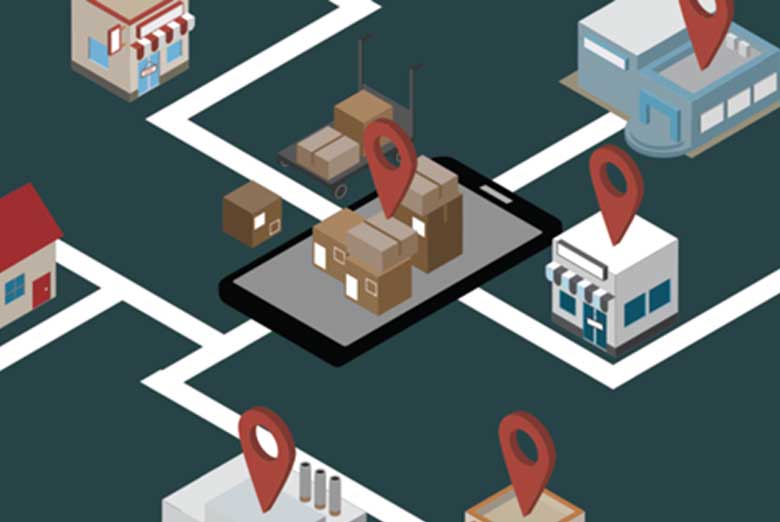
The recorded temperature data is sent online to cloud storage by the GSM temperature logger, allowing users to access the temperature data via PC and mobile application. The GSM temperature data logger also enables location tracking, allowing users to track the location of the products.