

What is a Data Logger?
September 8, 2025
The Way to Ship Perishable Goods Must Include Real-Time Tracking
September 8, 2025
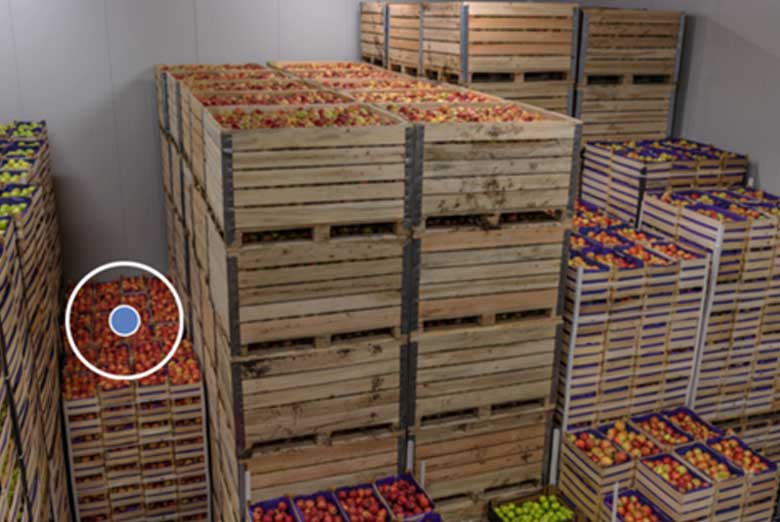
In logistics, nothing ruins a person’s day more than a shipment of perishable goods being rejected because it was damaged due to being too hot or too cold. Product rejection occurs frequently in this industry, and each time it creates a chain reaction that negatively impacts carriers and shippers.
Shippers sometimes have to file a claim to compensate for their losses. The process often causes a great deal of anxiety due to the potential cost of damages. In the fresh produce business, a truckload of rejected onions can cost around $20,000, but a load of spoiled fresh organic strawberries can exceed $100,000. The shipper will expect someone to pay for this. This can lead to some heated discussions about who is to blame. Was there an error in the rate approval? Did the truck’s cooler break down? When did the carrier last calibrate the cooler? Was the cooler set to start-stop or continuous? Typically, the carrier will file an insurance claim.
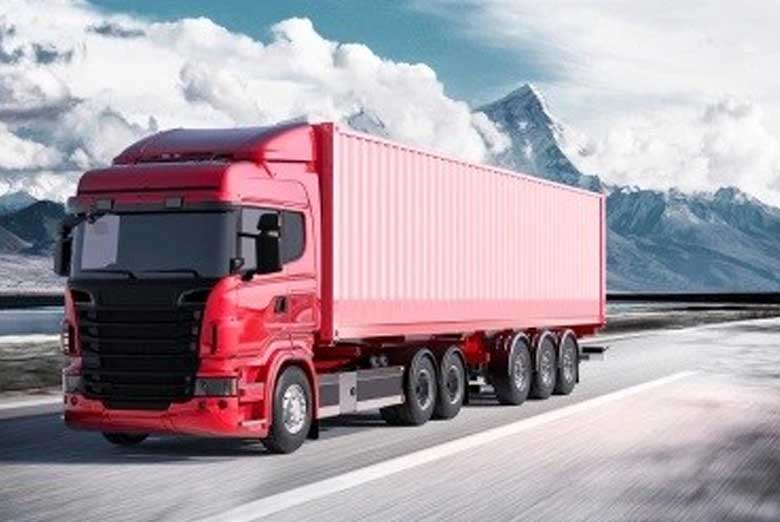
Considering all potential risks associated with the transportation of refrigerated goods, it is crucial for carriers and freight providers to use temperature recorders on all shipments for first and last mile cold chain visibility. Let’s look at some of the main reasons why companies use this technology.
Every post matters
Whether it’s pharmaceutical products, meat and dairy products, fresh produce, or biotechnology distribution, logistics experts are responsible for ensuring that time-sensitive shipments arrive on time without damage or spoilage. Logistics managers have limited visibility into whether their suppliers are accurately tracking temperatures in their cold chains. Some shippers require their carriers to manually record a cold chain storage form.
Alternatively, a carrier could send a photo of the refrigerated temperatures after loading to inform the customer that they have followed the appropriate instructions. However, these methods provide limited data and do not determine whether these loads experienced temperature deviations during transport.
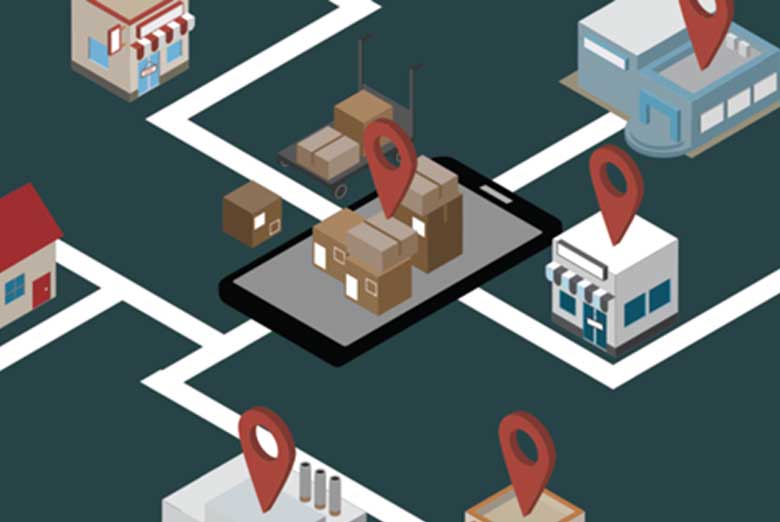
However, modern temperature recorders capture temperature conditions at the start of shipment, at regular intervals, and at the destination. The result is total temperature visibility for every shipment, ensuring that every mile your perishable goods travel is fully tracked.
Invest in technologies to reduce operational costs
Rejected truck loads add a significant amount to overall transportation expenses, while a study suggests that product rejection causes a 2.8% annual increase in freight budgets. Carriers are already struggling due to economic inflation, capacity shortages, rising fuel costs, and global climate conditions. Investing in affordable temperature recorders is the easiest way for carriers to ensure consistent high quality and safety levels throughout their entire cold chains.
How does a data logger work?
Data logger devices can operate with a fixed power supply or with a built-in battery. There are data loggers that can record continuously, as well as models that are set to record at specific time intervals. In general, data logger devices perform measurements using the sensors on their bodies; however, there are also data logger devices with external sensors.
The data recorded by these sensors (temperature, humidity, pressure, flow rate, impact, light, etc.) is stored in the device memory along with the date of measurement.
The data stored in the data logger’s memory can be examined by opening an analysis program or a data file (PDF, TXT, etc.) saved in the data logger, depending on the model of the data logger device.
Today, values obtained from portable data logger devices are automatically saved to a PDF file within the device, eliminating the need to use external data logger analysis software to review the log files.